Feeding, without the guilt
Breast, bottle, pumping, combo or formula: fed is the goal. These are the guides, gear and honest fixes that got us through, from the first latch to the first spoonful.
Start here
The feeding guides I'd send a friend

What to expect, month by month
Finding your rhythm
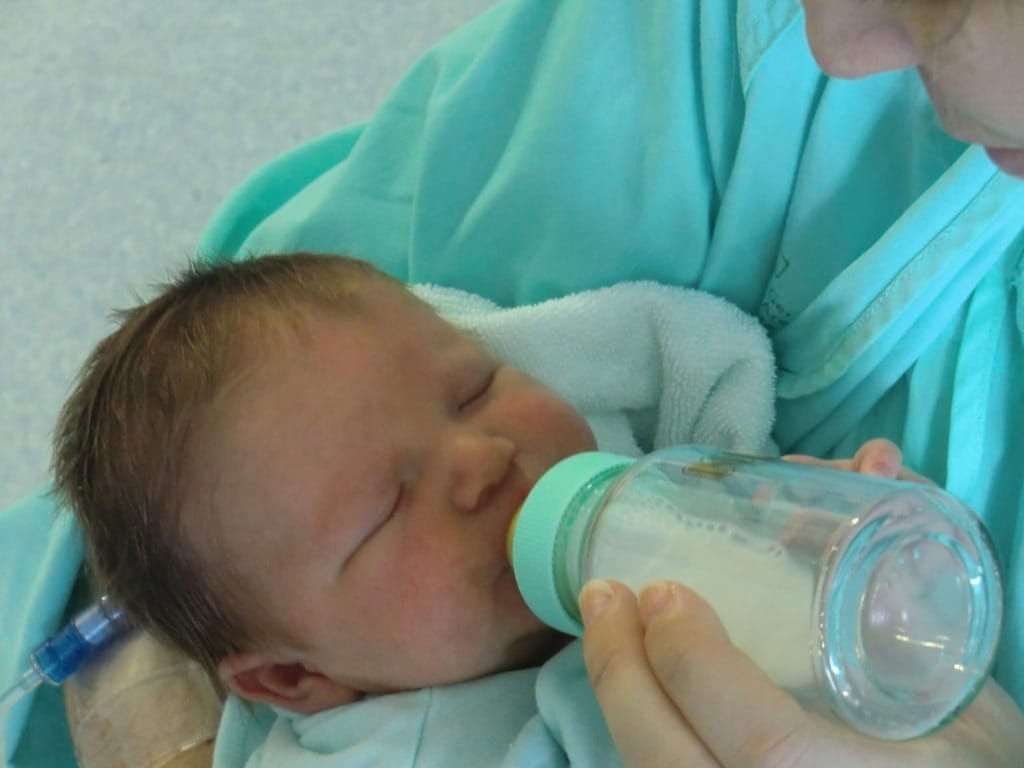
Feeds come every 2–3 hours, day and night. Evening cluster feeding is normal, and it passes.
The first two weeks →Building a routine
If you'll pump later, this is a common time to start a small freezer stash and try a first bottle.
Milk storage, simplified →Back to work
Pumping schedules, storage rules, and a bag that makes a 15-minute break actually work.
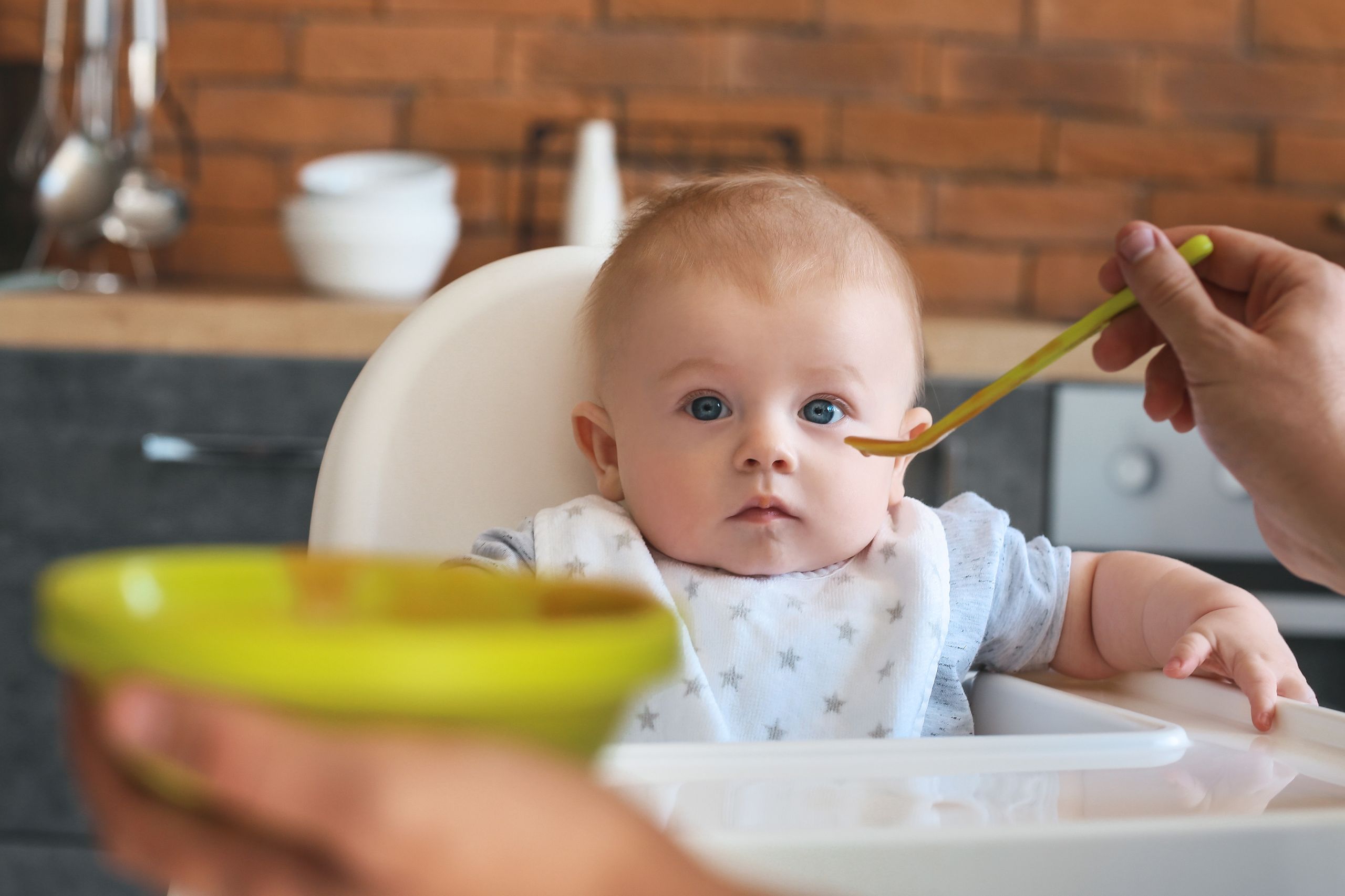
My pumping bag →Starting solids
Watch for readiness signs and follow your pediatrician's advice. Purées and baby-led weaning both work.
Starting solids →Pumping bag checklist
Everything for a 15-minute pump break away from home.
Your progress saves in this browser.
A lactation consultant is worth it
If feeding hurts, baby isn't gaining, or you're worried about supply, ask your pediatrician for a referral to an IBCLC (International Board Certified Lactation Consultant). Many insurance plans cover visits.
And if you're formula feeding, that's feeding. Follow the preparation instructions on your formula, and ask your pediatrician which type suits your baby.
Nursing snacks & freezer meals →Every feeding post
13 posts






More feeding posts are coming soon.
Feeding advice here is based on my own experience and isn't medical advice. For latch problems, weight concerns or supply worries, talk to your pediatrician or an IBCLC. This page contains affiliate links.

Track every feed without an app
A one-page feeding and diaper tracker for the fridge door. Moms tell me they use it every day for the first six weeks.
- Feeds, sides and times, 24 hours on one page
- Wet & dirty diaper columns for pediatrician visits
- Pump log with ounces, for back-to-work weeks